
Structure scanning technique using radar systems
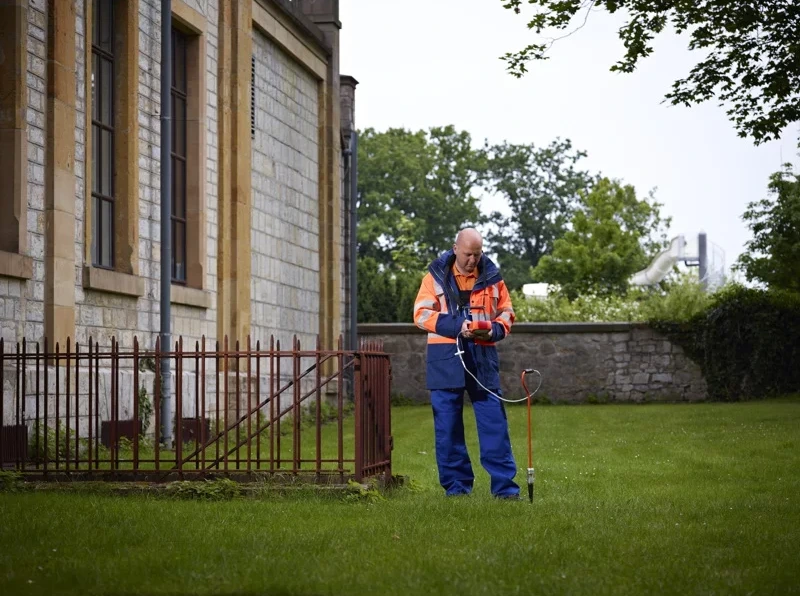
The structure scanning technique using radar systems, also known as GPR (Ground Penetrating Radar), has revolutionized the way we view and understand the hidden characteristics of the subsoil and structures that are not visually accessible. Using high-frequency electromagnetic waves, GPR emits radar pulses into the ground or structures and, based on the return time of these pulses, creates a real-time image of the interior of the structure.
This technique is widely applied in various fields, including civil engineering, archaeology, geology, and environmental studies. In civil engineering, for example, GPR is used to inspect the integrity of bridges, viaducts, buildings, and roads, identifying possible structural failures, such as corroded concrete reinforcement or leaks in buried pipes.
Crucial in discovery and mapping
In archaeology, GPR plays a crucial role in discovering and mapping underground archaeological sites, providing information on the location of buried artifacts and structures without the need for physical excavation. This non-invasive approach has been instrumental in preserving historic sites and minimizing damage to cultural heritage.
In geology, GPR is used to investigate soil composition, identify rock layers, and detect the presence of groundwater. This is especially useful in mineral exploration projects, geotechnical studies, and aquifer mapping, contributing to a better understanding of natural resources and geological processes.
In addition, the technique of scanning structures using radar systems is a valuable tool in environmental studies, being used to detect soil contamination and monitor leaks in underground storage tanks, enabling a rapid and effective response to mitigate negative environmental impacts.
Radar-based structural scanning offers a non-invasive and highly efficient way to investigate the subsurface and inaccessible structures, playing a key role in a variety of applications, from civil engineering to archaeology and environmental studies. With continuous advances in GPR technology, its usefulness and accuracy are expected to continue to expand, providing increasingly detailed and accurate insights into the hidden world beneath our feet.
In addition to simply creating images of the interior of structures and the subsurface, radar scanning allows for detailed analysis of the detected features. For example, it is possible to identify variations in soil composition, such as different types of materials or moisture levels, which is crucial for determining the stability of an area for construction or investigating the cause of structural problems.
In the field of civil engineering, GPR is also used to assess the thickness and integrity of pavement layers on roads and airport runways, which aids in preventive maintenance and the prevention of accidents caused by pavement failures. In addition, the technique is used to locate underground pipelines, electrical cables, and water pipes, preventing damage during excavations and construction projects.
In archaeology, radar scanning of structures allows for three-dimensional analysis of historical sites, revealing buried structures such as building foundations, ancient walls, and even tombs. This not only aids in the preservation of cultural heritage, but also in the accurate reconstruction of what ancient civilizations looked like.
In addition, GPR is widely used in search and rescue operations, especially after natural disasters such as earthquakes or landslides, where it can help locate people buried under rubble, increasing the chances of successful rescue.
With advances in technology and the miniaturization of equipment, radar scanning is becoming increasingly portable and accessible, allowing it to be applied in an even wider variety of fields and scenarios, from small-scale construction projects to large-scale geological and archaeological explorations.
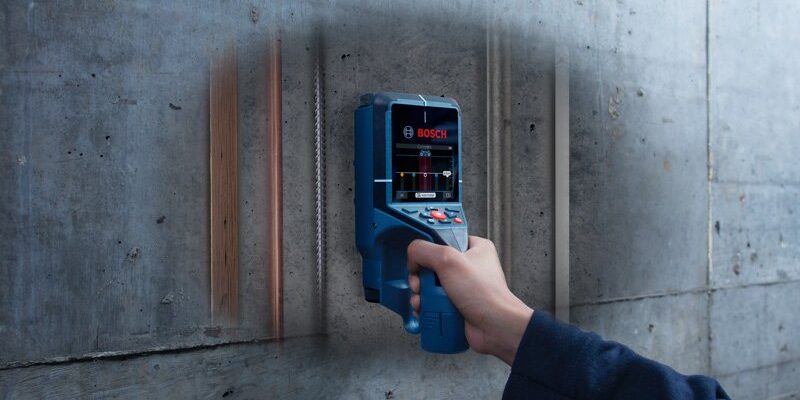
Bosch D-tect 200 C Detector
At SaltOrnamental, we use the Bosch D-tect 200 C Detector to scan structures using a radar system, which offers precision in detecting buried objects and hidden structures, allowing for a more detailed analysis of the subsoil and structures. This advanced detector is capable of accurately identifying different types of materials, such as metal, wood, and plastic, making it a versatile tool for a variety of applications in construction and civil engineering.
Learn more about our services here.